
Speak without obligation to
HRODC Postgraduate Training Institute, A Postgraduate-Only Institution
¡Bien! Tu solicitud ha sido enviada correctamente
Would you like to receive information about these related courses?
Just one more thing ...
Some institutions ask us for this data. Please, fill them in
Image gallery
HRODC Postgraduate Training Institute, A Postgraduate-Only Institution
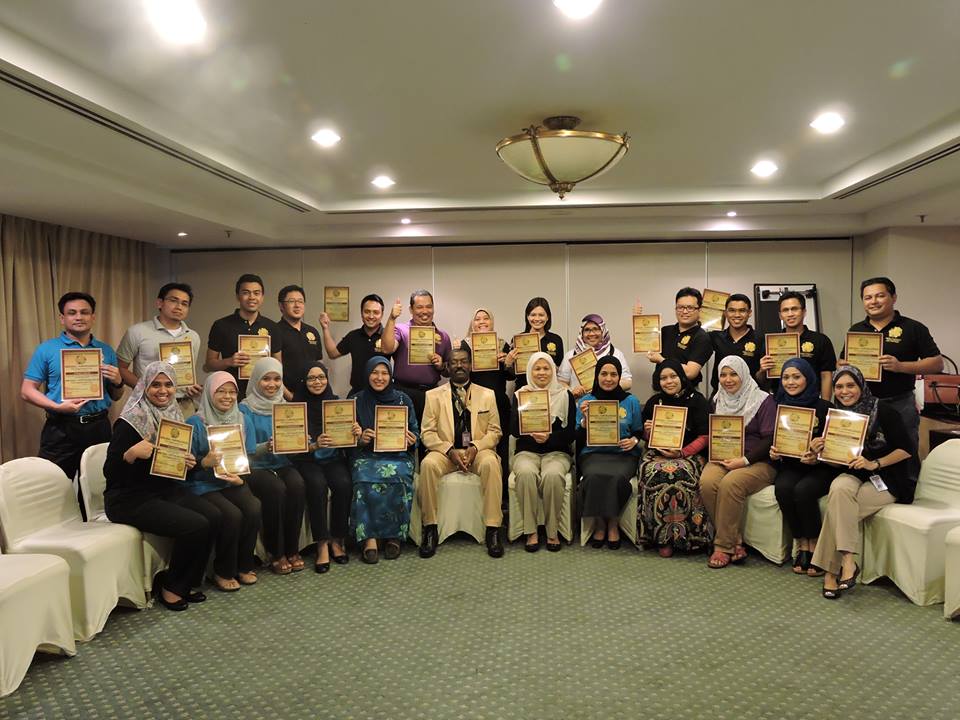
Comments about Accounting and Cost Accounting in the Downstream International Petroleum–Oil & Gas–Industry - Course - At the institution - London - Greater London
Course description
Part 1: Three Main Accounting Areas Ø Management Accounting;Ø Financial Accounting;Ø Cost Accounting. Part 2: Accounting Concepts Ø The Money Measurement Concept;Ø The Entity Concept;Ø The Going Concern Concept;Ø The Dual Aspect Concept;Ø The Accounting Period Concept;Ø The Materiality (Proportionality) Concept;Ø The Conservatism Concept;Ø Consistency Concept;Ø The Realisation Concept;Ø The Matching Concept;Ø The Cost Concept. Part 3: Management Accounting Ø Strategy and Management Accounting;Ø Management Accounting and Value;Ø Illustration of Value Chain;Ø Key Success Factors;Ø Planning and Control Systems;Ø A Five-step Decision Making Process in Planning and Control;Ø Management Accounting Guidelines;Ø A Typical Organisational Structure and the Management Accountant. Part 4: Cost Terms and Purposes Ø Basic Cost Terminology;Ø Direct and Indirect Cost;Ø Cost Examples in the Downstream Petroleum Industry;Ø Factors Affecting Direct/Indirect Cost Classification;Ø Cost Behaviour;Ø Other Cost Concepts;Ø A Cost Caveat;Ø Multiple Classifications of Costs;Ø Different Types of Firms;Ø Types of Manufacturing Inventories;Ø Types of Product Cost;Ø Accounting vs. Cost;Ø Cost Flows;Ø Cost Flows Visualised;Ø Multiple – Step Income Statement;Ø Cost of Goods Manufactured;Ø Other Cost Considerations;Ø Different Definitions of Costs for Different Applications;Ø The Common Features of Cost Accounting and Cost Management. Part 5: Cost-Volume-Profit Analysis Ø A Five-Step Decision Making Process in Planning and Control Revisited;Ø Foundational Assumptions in CVP;Ø Basic Formulae;Ø CVP: Contribution Margin;Ø Cost-Volume-Profit Equation;Ø Break Even Point;Ø Break Even Point, Extended: Profit Planning;Ø CVP: Graphically;Ø Profit Planning: Illustrated;Ø CVP and Income Taxes;Ø Sensitivity Analysis;Ø Margin of Safety;Ø Operating Leverage;Ø Effects of Sales – Mix on CVP;Ø Alternative Income Statement Formats. Part 6: Job Costing Ø Cost Terminology;Ø Costing Systems;Ø Costing Systems Illustrated;Ø Costing Approaches;Ø Seven-step Job Costing;Ø Sample Job Cost Document;Ø Sample Job Cost Source Documents;Ø Job Costing Overview;Ø Journal Entries;Ø Flow of Costs Illustrated;Ø Illustrated General Ledger in a Job Cost Environment;Ø Accounting for Overhead;Ø Three Methods for Adjusting Over/Underapplied Overhead. Part 7: Activity Based-Costing and Cost Management Ø Broad Averaging;Ø Over and Undercosting;Ø Cross-subsidization;Ø Rationale for Selecting a More Refined Costing Sytem;Ø Cost Hierarchies;Ø ABC vs. Simple Costing Schemes;Ø Activity-Based Management. Part 8: Oil and Gas Accounting Ø Oil and Gas Production and Sales;Ø Some State and US Federal Oil and Gas Drilling Regulation;Ø Maximum Efficiency Rate (MER);Ø The Concept of Peak Oil (1);Ø 4 Basic Types of Oil:* Acquisition Costs;* Exploration Costs;* Development Costs;* Production Costs.Ø Historical Cost Accounting Methods;Ø Historical Development of Accounting Methods and Current Status;Ø Introduction to Successful Efforts Accounting;Ø Charts Accounts for Successful Efforts Company.