Speak without obligation to
HRODC Postgraduate Training Institute, A Postgraduate-Only Institution
¡Bien! Tu solicitud ha sido enviada correctamente
Would you like to receive information about these related courses?
Just one more thing ...
Some institutions ask us for this data. Please, fill them in
Image gallery
HRODC Postgraduate Training Institute, A Postgraduate-Only Institution
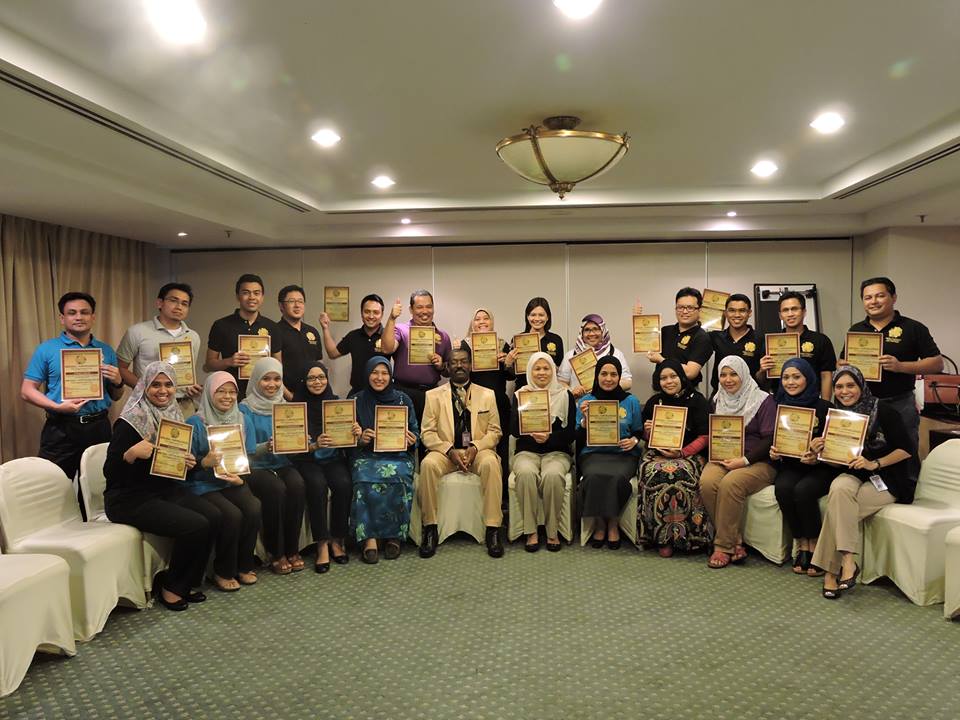
Comments about Judge Seminar (Public Course) 2: The UK Legal System – Court Organisation - At the institution - London - Greater London
Course description
By the conclusion of the specified learning and development activities, delegates will be able to: Outline the English court system or the court hierarchy; Determine the jurisdiction of each court; Identify the role of the Judicial Committee of Privy Council; Know the role of the judges; Outline the judicial hierarchy; Explain the rules governing appointment to the judiciary; Ascertain the importance of wearing wigs and gowns for the judges; Know how judges are trained for their job; Determine how judges are paid; Be aware of the rules governing promotion in the judiciary; Identify the causes for termination of appointments; Explain the concept of independence of the judiciary system; Describe some reforms introduced in the judiciary; Describe the roles and functions of solicitors and barristers; Know the qualifications of solicitors and barristers; Analyse the performance of the legal profession; Find out what lies ahead of the legal profession; Describe the fusion of the legal profession; Name the other legal personnel other than the solicitors and barristers and identify their roles; Ascertain why legal professionals are needed; Relate the history of jury; Specify the functions of jury; Identify the circumstances when juries are used; Enumerate the qualifications for jury service; State the process for summoning the jury; Explain jury vetting; Identify the challenges involved in acting as a jury; Determine the circumstances under which the jury can be discharged; Know the role of the secrecy of the jury; Analyse the jury’s verdict; Name the strengths of the jury system; Identify some reforms of the jury; Be familiar with the nature of the magistrates’ courts; Cite the role of the magistrates; Discuss about The Ministry of Justice and the Home Office, the Lord Chancellor and the Law Officers’ Department; Enumerate the needs for legal services; Know what are the state-funded legal services; Be familiar with the Access to Justice Act; Suggests some reforms for the jury system; Ascertain the importance of lawyers; Learn more about miscarriages of justice; Analyse the provisions of the Human Rights Act 1998 Outline the Organisation of the Police Identify the police powers; Evaluate the adversarial process; Apply the criminal procedure rules; Explain the Crown prosecution service Determine matters which necessitates appearance in court; Classify of offences; Name the different modes of trial; Analyse the procedures before subjecting somebody and something into trial; Be knowledgeable about plea and case management hearings; Apply the rules governing disclosure; Explain the rationale behind plea bargaining; Outline the process involve during the trial; Identify the modes of criminal justice systems; Know the important provisions of The Criminal Justice Act 2003; Determine the purposes of sentencing; Ascertain how sentencing is conducted in practice; Enumerate the types of sentence. Know the criminal liability of young offenders; Establish how young offenders should be treated by the police; Find out what will happen when a court decided to remand the case; Identify the factors which are taken into consideration in fixing the amount of bail; Distinguish reprimands and warnings; Learn how trial sentencing is done; Relate the history of the civil justice system; Know how the civil courts are organised; Compare the justice system before and after April 1999; Estate the history of tribunal; Recommend some effective reform in the tribunals; Describe the tribunals today; Enumerate the advantages and disadvantages of tribunals; Know the procedures in appealing cases; Learn when and how judicial review is undertaken; Name some problems with court hearings; Identify some alternative dispute resolution (ADR) mechanisms; Give examples of ADR; Cite some advantages of ADR; Find out the common problems with ADR.